8,71 Incl. VAT7,20 Excl. VAT
Delivered tomorrow
1
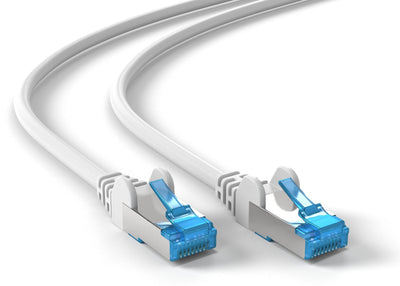
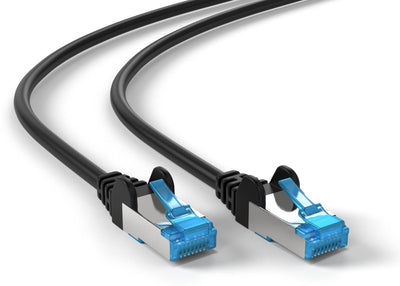
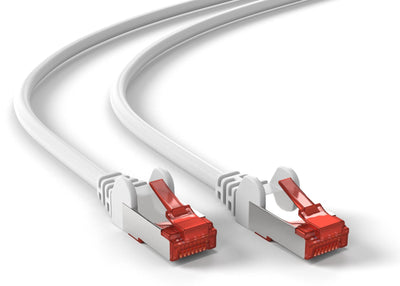
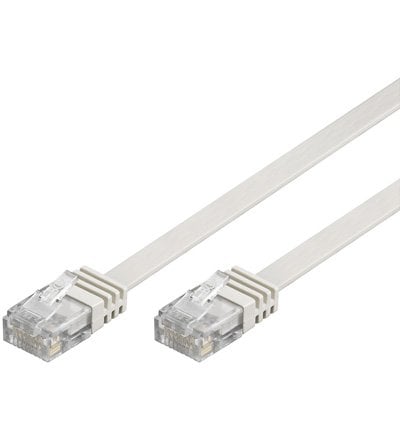
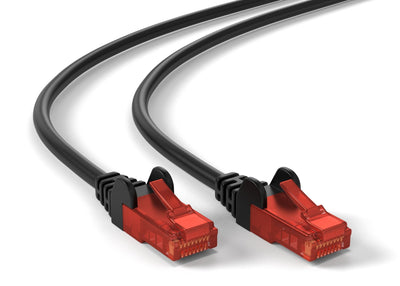
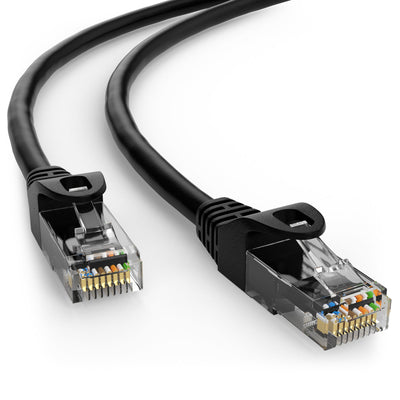
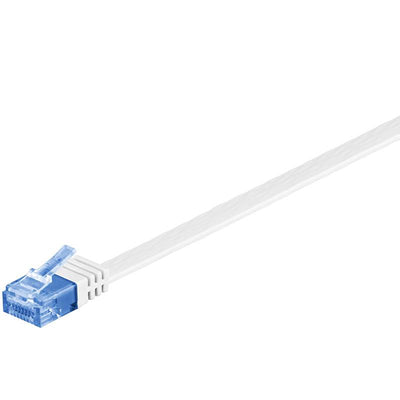
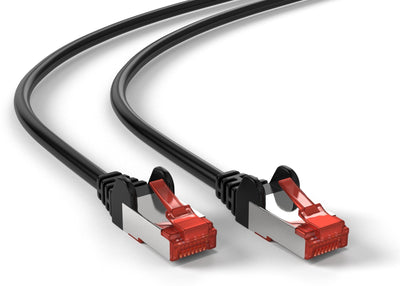
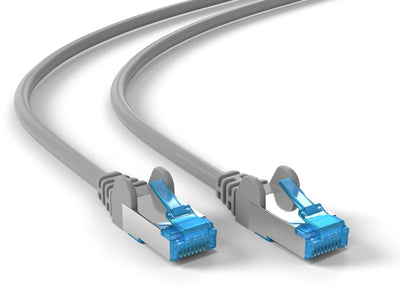
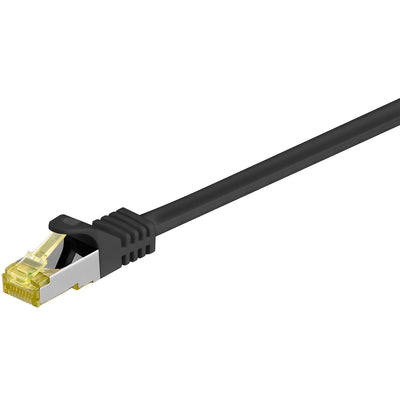
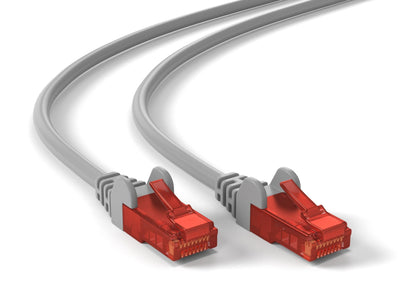
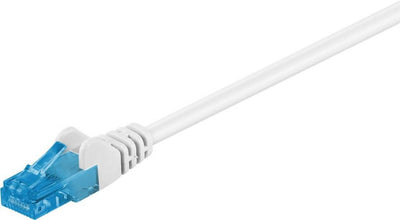
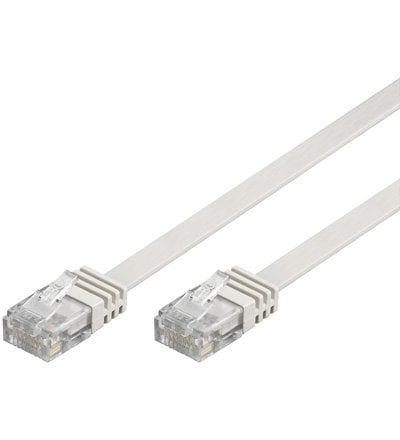
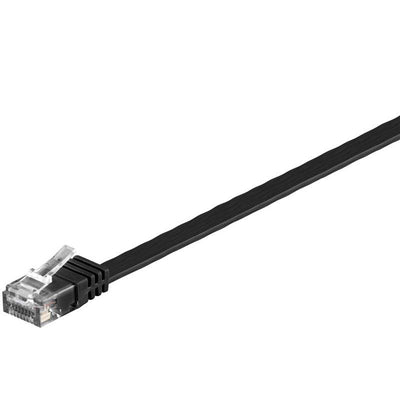
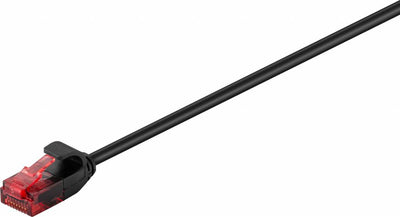
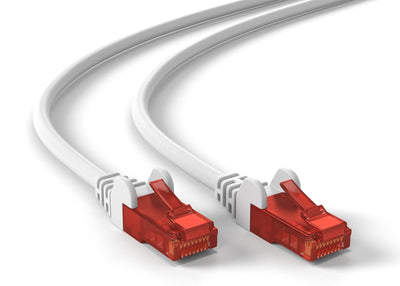
Wide range of network cables of 15 meters long. Internet cables of 15 meters are a popular length for network cables. We offer this length in several variants UTP, FTP and SFTP cables.
[split]
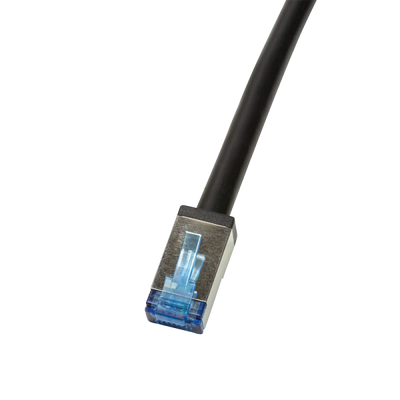
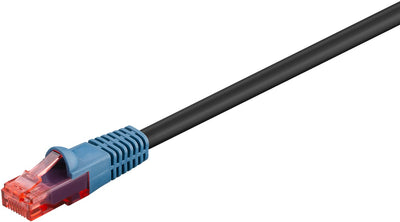
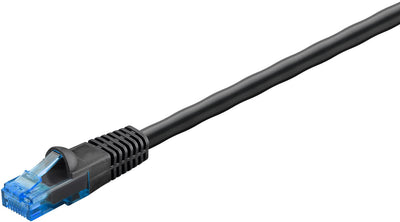
Our range of internet cables in this length consists of all the most sought-after cable variants, from Cat5 to Cat7. For professional cable management (or because you just like it) we offer most variants in different colours. We also offer network cable 15 metres on for outside.
If you have decided to buy a 15 meter internet cable, you are not there yet. The next question is, which type of cable do you need? Here you have to pay attention to the following things:
A home network usually requires less capacity than a business network. But even at home, it makes quite a difference whether 1 person uses it or an entire household. Also consider carefully whether many heavy applications are used, or whether there are peaks in load. Heavy applications for home use include online gaming, streaming films or series, or sending large files. Do you often work from home? Then you want to be able to make a video call without any problems.
In the future, you will see more and more devices being connected to the network. Games and streaming will also become of higher quality. All of this together will demand more and more from the network. The right cabling is therefore important.
All these developments have made Cat6 cables of 15 meters the standard nowadays. This cable normally offers sufficient speed and bandwidth for a smoothly running home network for now and the coming years. Be aware that the speed you can achieve also depends on the maximum speed that your provider can offer.
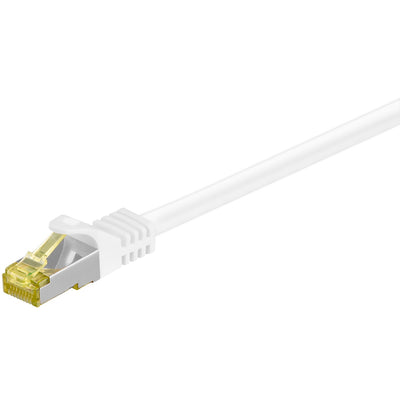
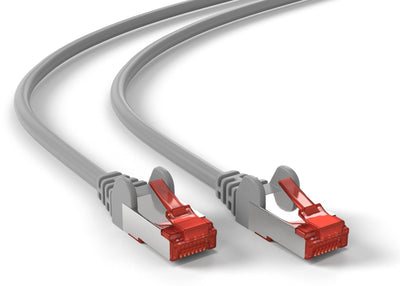
Cables can suffer from interference by radiation. As a result, they transmit less data or can be less stable. Radiation sources are other unshielded cables but also, for example, LED equipment. Do you want to prevent this? No, then cables with protection. These cables are indicated with S, which stands for shielded and F, which stands for Foiled. For example, you have S/FTP cables.
Don't expect any interference? Then you can buy a UTP cable. Do you have doubts, or do you expect interference to occur? Then take an SF/UTP or S/FTP cable.
A Cat5 and Cat6 have a diameter of 5.6 mm. A Cat7, but especially a Cat8 cable have a larger diameter of 7.6 and 8.2 mm respectively. If you want to pull cables through empty tubes, take this into account.
Nuestra gama de cables de internet de esta longitud incluye todas las variantes más buscadas, desde Cat5 hasta Cat7. Para una gestión profesional de los cables (o simplemente porque te gusta cómo quedan), ofrecemos la mayoría de las variantes en diferentes colores. También ofrecemos cable de red de 15 metros para exteriores.
Si has decidido comprar un cable de internet de 15 metros, aún no has terminado. La siguiente pregunta es, de hecho, ¿qué variante de cable necesitas? Para ello, debes tener en cuenta los siguientes aspectos:
Para una red doméstica, por lo general, se necesita menos capacidad que para una red empresarial. Pero también en casa importa bastante si la utiliza una sola persona o un hogar entero. Piensa también si se utilizan muchas aplicaciones exigentes o si hay picos de carga. En el caso de aplicaciones exigentes para el hogar, puedes pensar en jugar en línea, transmitir películas o series o enviar archivos grandes. ¿Trabajas a menudo desde casa? Entonces querrás poder realizar una videollamada sin problemas.
De cara al futuro, cada vez se conectan más dispositivos a la red. Los juegos y la transmisión también son cada vez de mayor calidad. Todo esto en conjunto exige cada vez más de la red. Por eso, el cableado adecuado es importante.
Todos estos avances han hecho que los cables Cat6 de 15 metros sean hoy en día el estándar. Este cable ofrece, por lo general, suficiente velocidad y ancho de banda para una red doméstica que funcione sin problemas, tanto ahora como en los próximos años. Ten en cuenta, además, que la velocidad que puedes alcanzar también depende de la velocidad máxima que pueda ofrecer tu proveedor.
Los cables pueden sufrir interferencias causadas por radiaciones. Esto hace que transmitan menos datos o que sean menos estables. Las fuentes de radiación pueden ser otros cables sin protección, pero también, por ejemplo, equipos LED. ¿Quieres evitar esto? Entonces elige cables con protección. Estos cables se identifican con S, que significa blindado (shielded), y F, que significa forrado (foiled). Así se obtienen los cables S/FTP.
¿No esperas interferencias? Entonces puedes comprar un cable UTP. ¿Tienes dudas o crees que podrían producirse interferencias? Entonces elige un cable SF/UTP o S/FTP.
Un Cat5 y un Cat6 tienen un diámetro de 5,6 mm. Un Cat7, y sobre todo un cable Cat8, tienen un diámetro mayor, de 7,6 y 8,2 mm, respectivamente. Si quieres pasar cables por tubos vacíos, ten esto en cuenta.